



Find other stages here
-
25.9 Km
-
06h30
-
Medium
-
291m
-
Earth and Asphalt
We continue along a route that emphasises contact with nature, but without losing sight of the connection to history. On a route that recalls the reuse in the Middle Ages (when the Jacobean pilgrimages were at their height) of a geography generated by the Roman Empire.
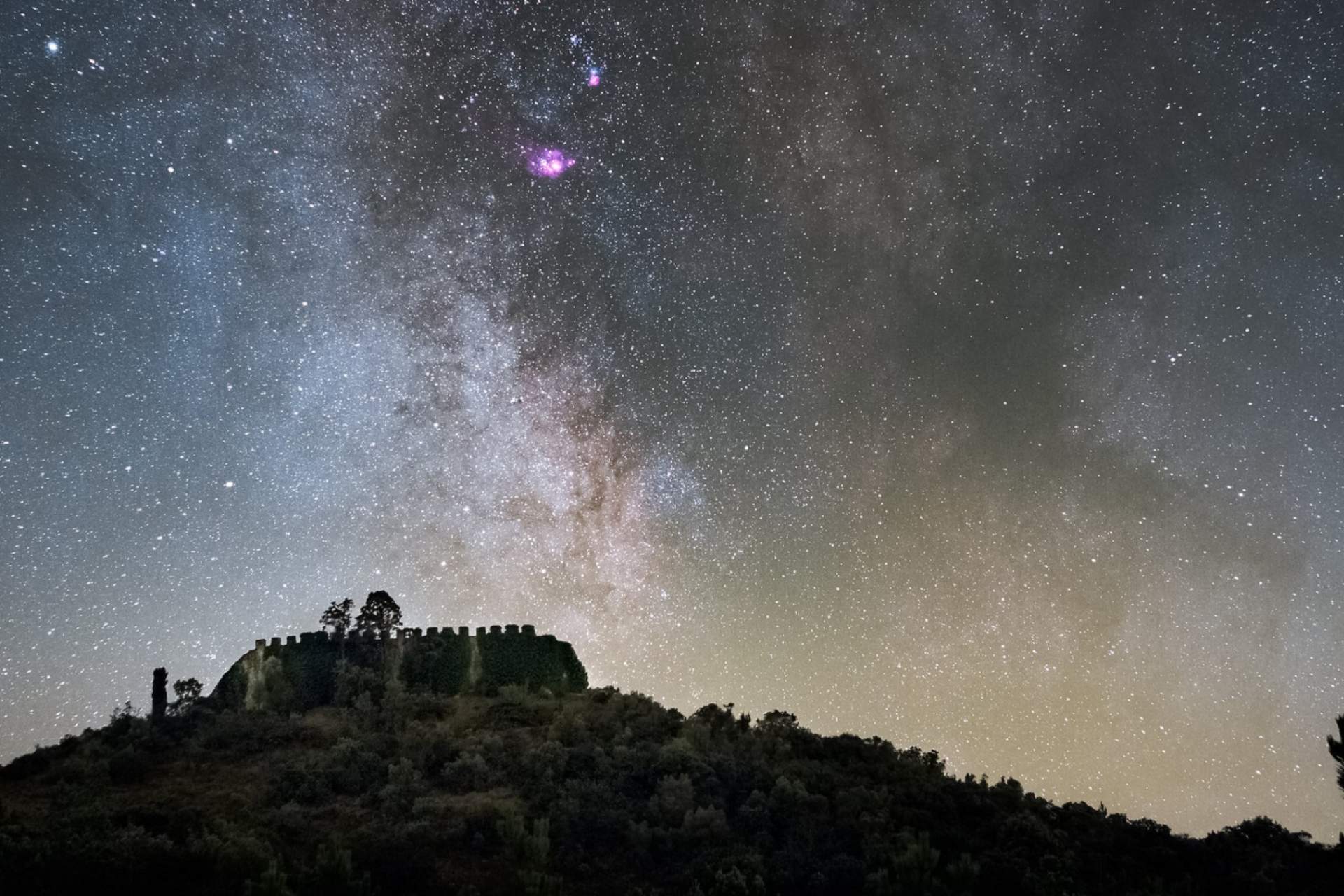
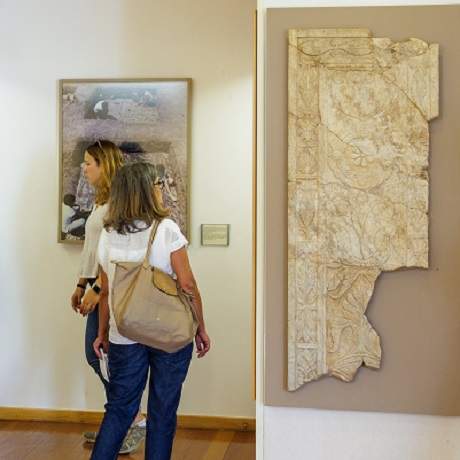
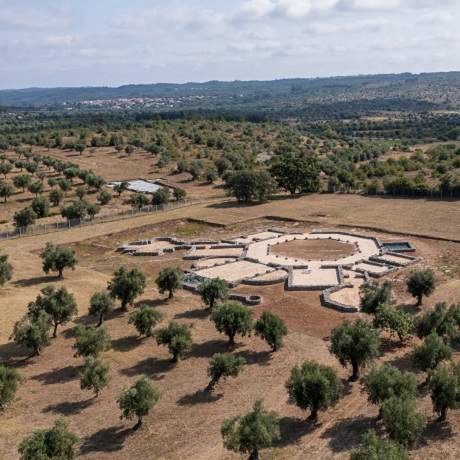
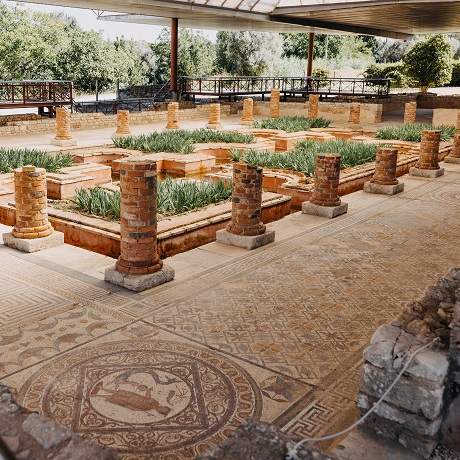
The quality of the Roman remains preserved in the municipalities of Penela and Condeixa-a-Nova, as well as the important archaeological and museum works carried out there, ensure the Roman villa of Rabaçal and the ancient city of Conimbriga a leading place in the history of Romanisation in the future Portuguese territory. Pilgrims have the opportunity to discover two complementary aspects of the Roman organisation of the territory, united by an ancient road, the same one along which the Camino de Santiago passes today: first, a villa belonging to an important Roman citizen; and, secondly, the city that polarised this territory. Near Rabaçal, Germanelo Castle stands guard over the Way.
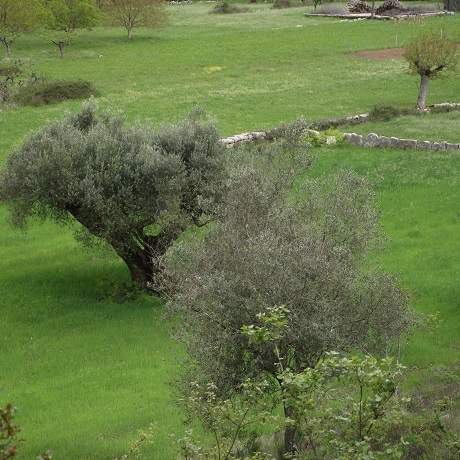
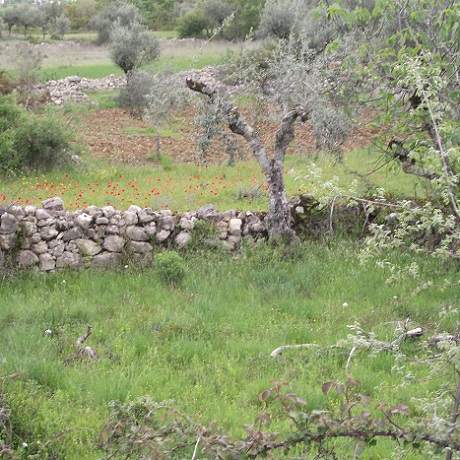
This section also allows contact with a unique natural wealth provided by the region's limestone massifs. Here, abundant patches of flora are crisscrossed by wide rocky strips, giving the Terras de Sicó its own identity.
People knew how to take advantage of the characteristics of this land to create an excellent product (Rabaçal PDO Cheese). It provides pilgrims with an energy boost to help them continue on their journey.

Close
Search results for:
No results were found matching your search.
Information available soon.