



Find other stages here
-
34.9 Km
-
08h40
-
Difficult
-
281m
-
Asphalt
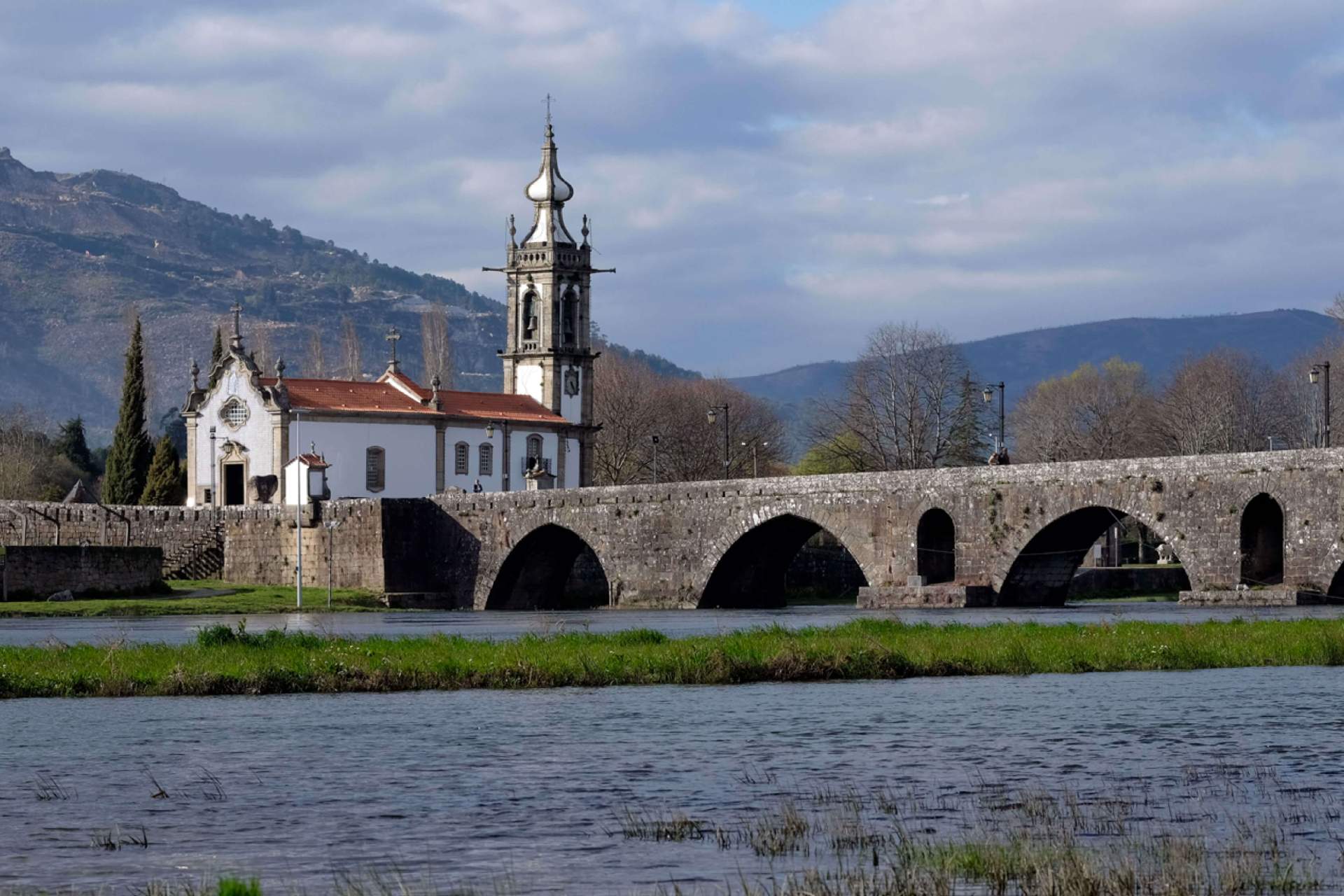
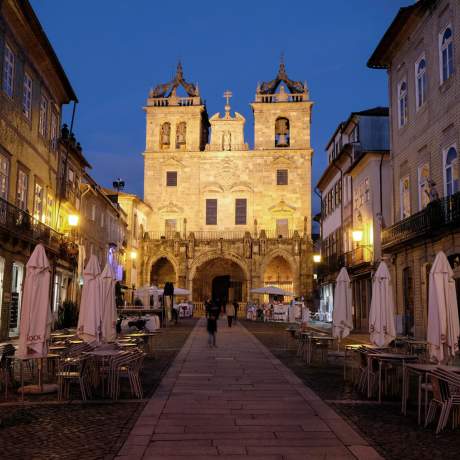
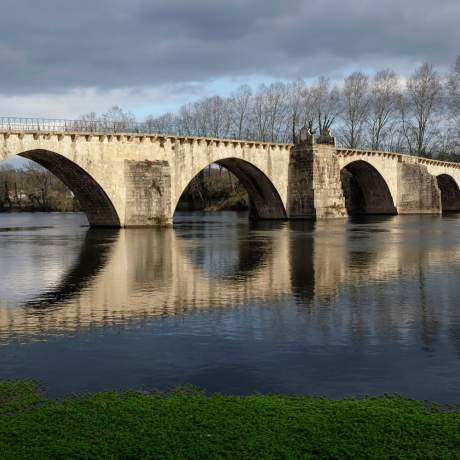
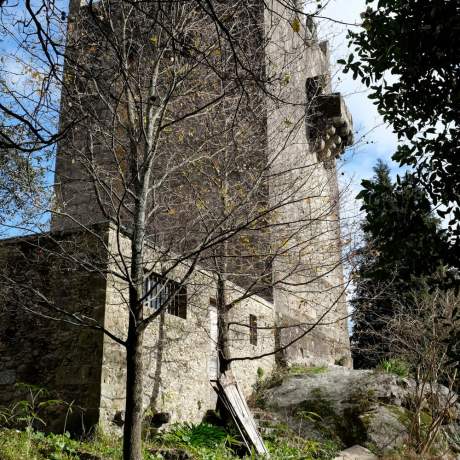
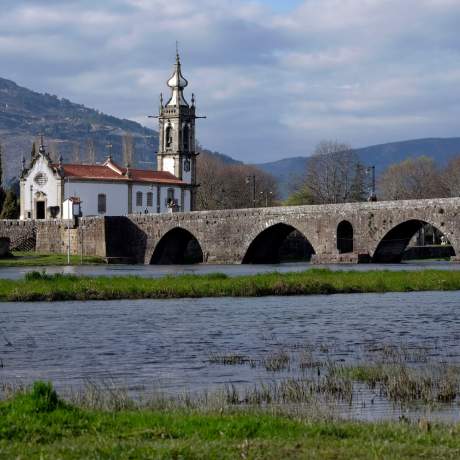
The next two stops are also marked by the presence of holy figures: Saint Frutuoso of Montélios, the ascetic and founder of monasteries in the 7th century, and Saint Martin of Dume, abbot, bishop and evangeliser of the Suebi royal family in the 6th century. It is through places such as these that the Torres Route travels along the historical veins of the Minho like no other Jacobean route. Facing the River Cávado, the Prado Bridge provides the ideal crossing for the next stretch. If there is fog, the bridge becomes little more than a silhouette between two distant banks. A stop at the Chapel of Santiago de Francelos is a must, as a long walk follows towards the medieval Tower of Penegate, one of the most fascinating places along the route. Halfway through the stage, your memory is already full of experiences to treasure. There is a pilgrims' hostel in Goães, as well as other accommodation options along the route, but it is worth making the effort to continue all the way to the River Lima. Before reaching it, you must cross the slopes of Monte da Madalena and descend Avenida António Feijó towards the historic centre of Ponte de Lima. The town breathes Jacobean identity and is well worth discovering both by day and by night, walking across its Roman and medieval bridge. From here onwards, the Torres Route follows the route of the Central Way.

Close
Search results for:
No results were found matching your search.
Information available soon.