



Find other stages here
-
21 Km
-
05h15
-
Easy
-
413m
-
Asphalt
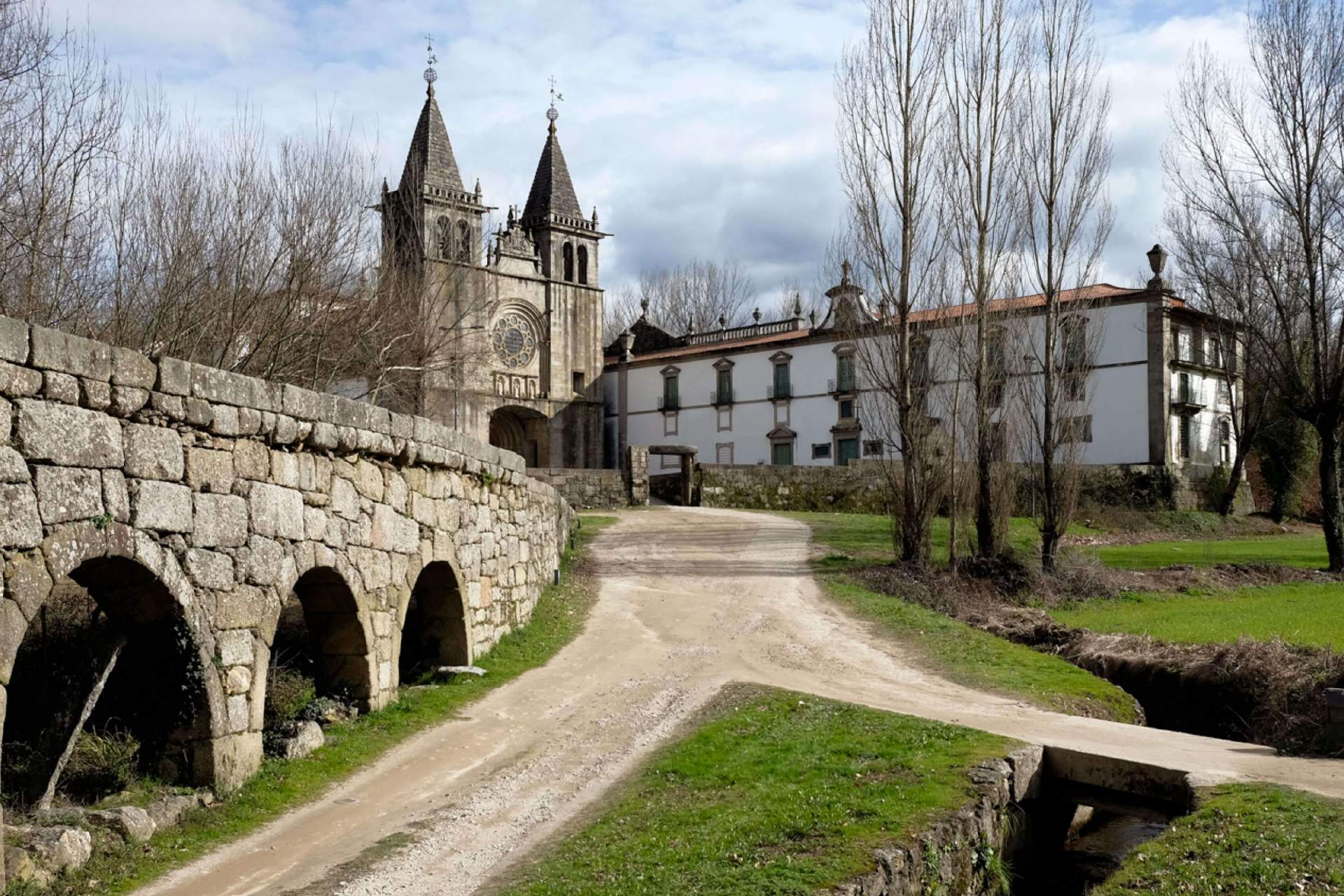
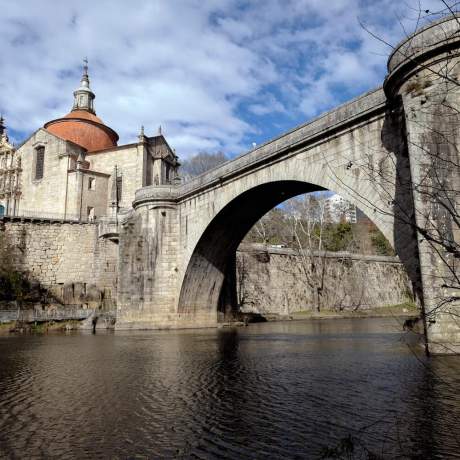
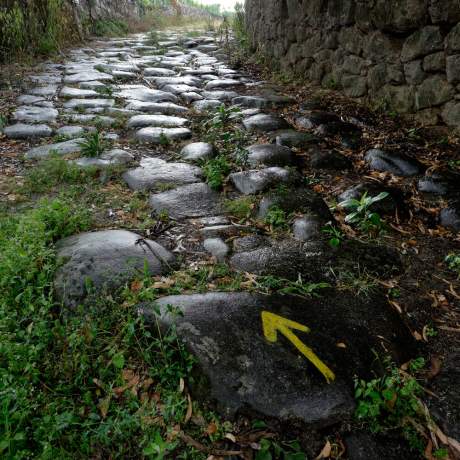
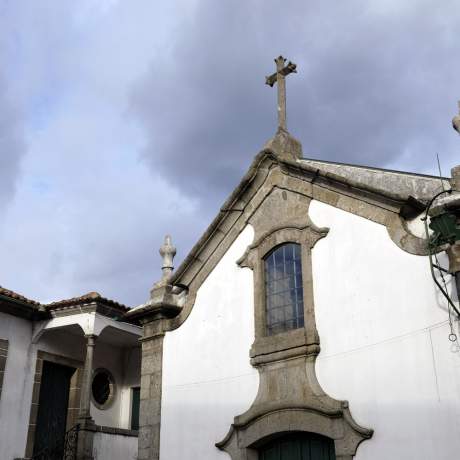
It feels wonderful to cross the bridge over the River Tâmega at dawn and pass by the monastery while it is still asleep. This stage marks a journey between two worlds. The dramatic landscapes of the Douro are now behind you, yet the clear, open horizons of the Minho have not quite been reached. The route leaves Amarante through an urban and industrial landscape. In Golas, after passing the shrine of Our Lady of Fátima, the way follows part of the former Tâmega railway line, now converted into a cycle path. However, the route that follows towards Telões is well worth the effort. Here, a visit to the church is a must: it is one of the most interesting churches along the Romanesque Route. The second part of the journey begins with the climb towards Lixa, the main urban centre encountered along this stage. On the way there, vineyards follow one another and the route passes through the grounds of Quinta do Paço. In the town, take the opportunity to stock up on supplies for the remainder of the journey. The following stretch passes through several villages, but what will remain most vividly in your memory is the Roman paving that precedes the arrival at São Martinho de Caramos, one of the most stunning Baroque pilgrimage sanctuaries on the Torres Route. All that remains is to pass through Moure before reaching Praça da República in Felgueiras, right next to the oldest Pão de Ló de Margaride factory.

Close
Search results for:
No results were found matching your search.
Information available soon.