



Find other stages here
-
28 Km
-
14h43
-
Very Difficult
-
420m
-
Asphalt
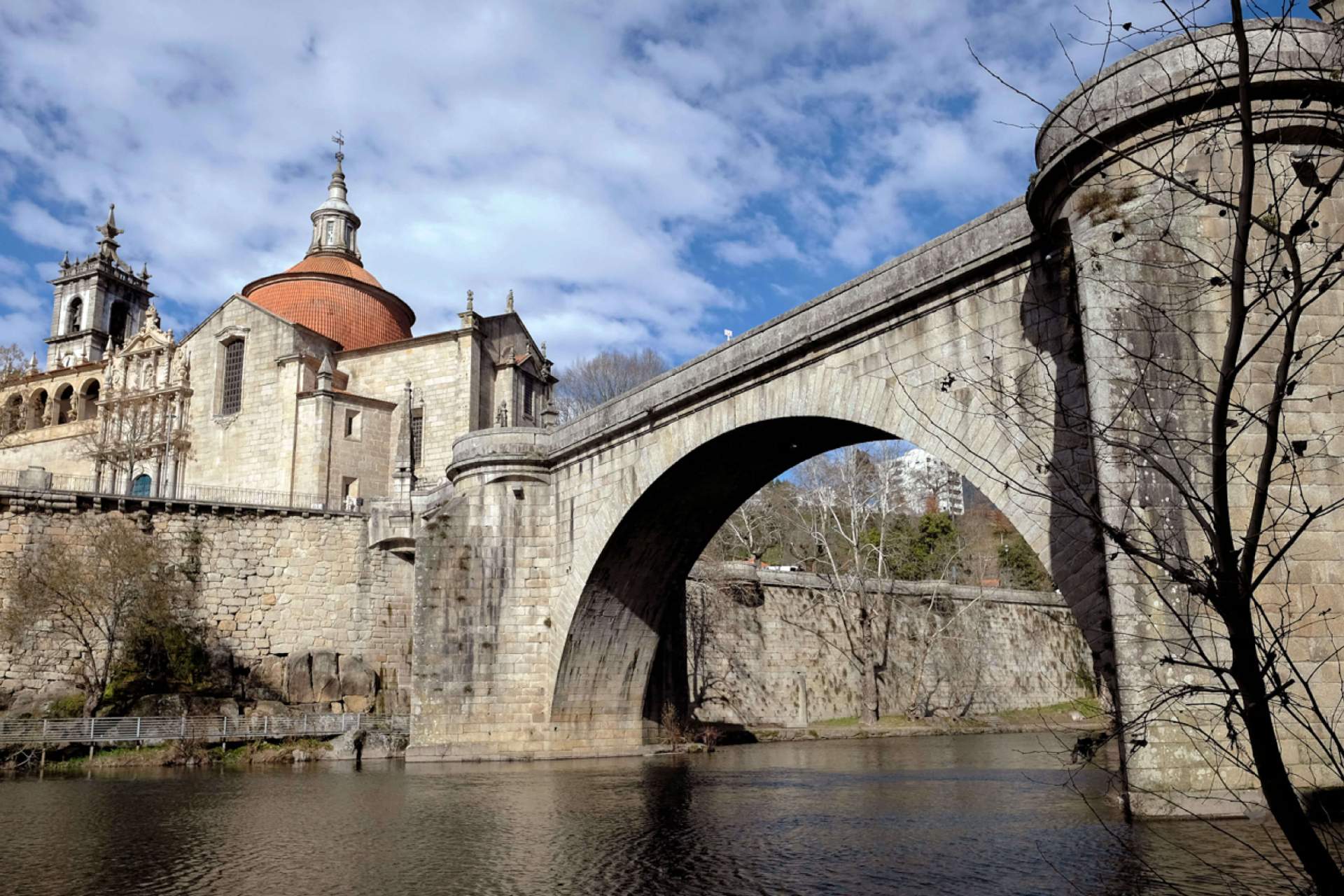
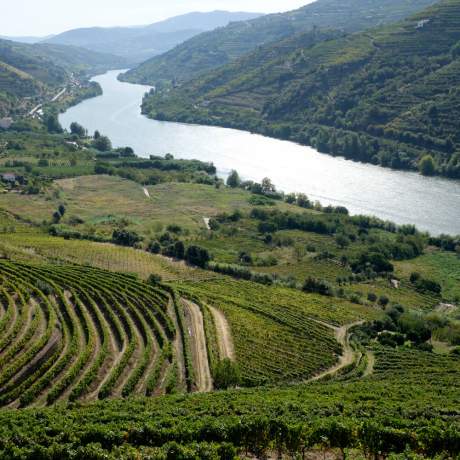
The highest point of the Torres Route is a true frontier. Until you reach it, the way is always uphill. Afterwards, it is always downhill.The ascent marks the end of the steep and rugged slopes of the Douro region and the beginning of the gentler, greener landscapes leading towards the Minho. Leaving Mesão Frio along Rua da Carreira, the town’s main historic access route, the path to Várzea is pleasant, following trails overlooking the River Teixeira. But from here onwards, already within the municipality of Baião, everything changes. In Teixeira, take the opportunity to prepare for the climb towards Hospital, Ordem and Padrões. Chã das Arcas is not far away, but you must first cross the EN 101 carefully, at a point where there is no pedestrian crossing. Once at the summit, surrounded by wind turbines and archaeological remains, enjoy the views, the fresh air and the wonderful adventure of reaching the top and contemplating the horizon. The descent is long, following the old road commissioned by the Marquis of Pombal and celebrated by Aquilino Ribeiro in A Casa Grande de Romarigães. There are many kilometres downhill before reaching Ovelhinha, a beautifully preserved village. The final stretch is peri-urban and, after passing the Larim river beach, almost 3 kilometres are walked along the national road (EN 15). By the time you reach the historic centre of Amarante, the crossing of Alto de Quintela may already seem like a distant memory. Head towards the bridge over the River Tâmega. The monastery on the other side recalls the most important Portuguese saint associated with the pilgrimage routes: Saint Gonçalo of Amarante.

Close
Search results for:
No results were found matching your search.
Information available soon.